Ohio Valley Eye Institute
PRK (Photorefractive Keratectomy) — Safe, Proven Laser Vision Correction
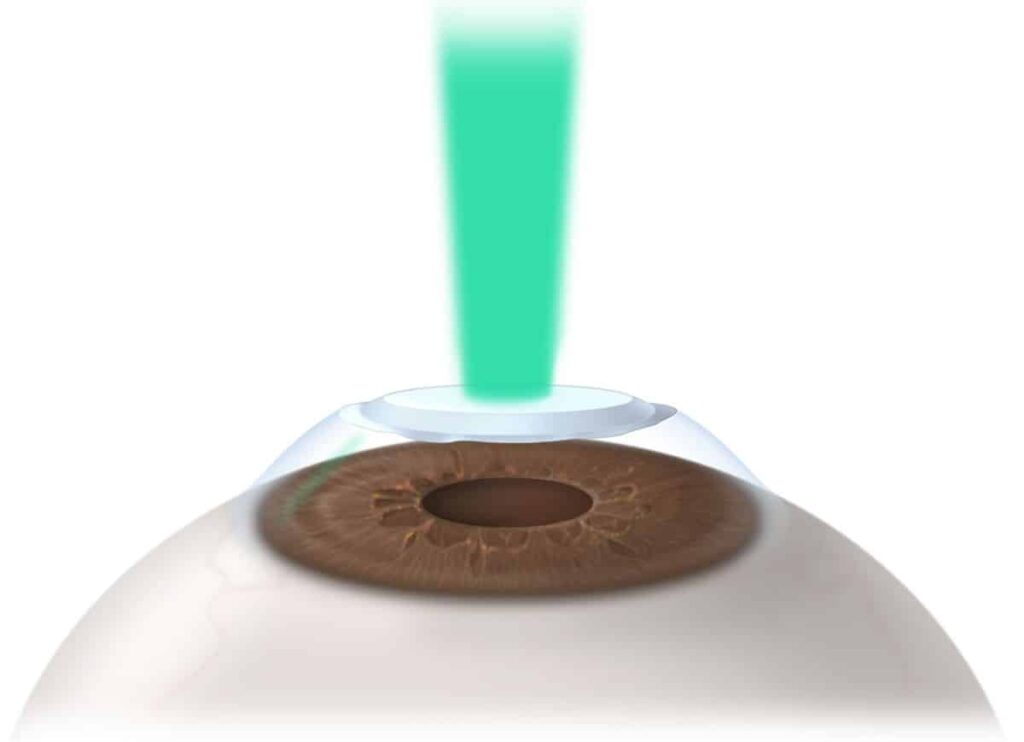
Photorefractive Keratectomy (PRK) is a proven laser vision correction that treats nearsightedness (myopia), farsightedness (hyperopia), and astigmatism by precisely reshaping the cornea with an excimer laser. PRK removes tissue from the corneal surface rather than creating a permanent flap, making it ideal for patients with thinner corneas, dry eyes, or active lifestyles. Book a free PRK suitability consultation: 866-295-2020 or 812-421-2020.
Quick facts
- Recovery: 3–5 days immediate recovery; visual stabilization weeks–months
- Tissue removed: ~10–15% typical for myopia corrections
- First performed: 1987 — millions treated worldwide
- Ideal candidates: adults with stable prescriptions, thinner corneas, or active lifestyles that desire functional vision without glasses or contact lenses
Who PRK is best for
- Patients with thinner or irregular corneal thickness
- Athletes or people at risk for flap-related complications
- Those seeking a flap-free surface procedure
- Adults with a stable refractive prescription
- Risk Adverse Patients that are concerned about “cutting”
How PRK works
- Comprehensive eye exam and corneal topography map and multiple measurements.
- Dr. Malitz programs excimer laser to remove precise microscopic layers of corneal tissue.
- Excimer laser uses ultraviolet “cold” energy to break molecular bonds and vaporize tissue—no burning or cutting.
- Corneal curvature is adjusted to improve focus; epithelium regenerates over days while vision improves.
Procedure overview
Duration: ~10 minutes per eye. Anesthesia: topical numbing drops. Steps: numbing → surface epithelium removed/loosened → excimer laser reshaping → protective contact lens placed.
Recovery timeline & aftercare
Day 0–3: Most discomfort, light sensitivity, watery eyes. Arrange a driver.
Day 3–7: Protective lens removed; vision begins to improve.
Weeks 1–4: Vision sharpens; follow-up visits for monitoring and medication adjustments.
1–3 months: Vision stabilizes; minor improvements can continue up to 6 months.
Standard follow-up schedule: day 1, day 3–5, 1 month, 3 months (adjusted per surgeon).
Benefits of PRK
- No permanent corneal flap — reduces flap-related risks.
- Suitable for thinner corneas and higher-risk activities.
- Long track record of safety and effectiveness.
- Many patients achieve reduced dependence on glasses/contacts.
- Maintains strength of cornea greatly reducing the risk of corneal warpage.
Risks & considerations
- Temporary pain and light sensitivity during epithelial healing.
- Fluctuating vision during recovery; enhancements possible later.
- Small risk of infection or delayed epithelial healing.
- Possible dry eye symptoms—usually temporary but may persist for some patients.
PRK vs LASIK
PRK: surface procedure, slower initial recovery, no flap, preferred for thin corneas. LASIK: flap-based, faster initial visual recovery when corneal thickness allows.
Pricing & financing
Contact Ohio Valley Eye Institute for current pricing and financing options: 866-295-2020 or 812-421-2020. Financing plans and promotional options may be available; pre-op testing is generally included.
Surgeons & facility trust signals
- Board-certified refractive surgeons with extensive PRK experience
- Excimer laser platform and dedicated surgical suite
- Strict sterile protocols and comprehensive pre/post-op care
- Thousands of PRK procedures performed at our center
Real patient results
“I’m off glasses for the first time in 20 years — recovery was quick and staff were fantastic.” — A.M.
“As an athelete, I wanted no flap — PRK was perfect.” — J.R.
FAQ
- Is PRK painful?
- There is no pain with the procedure. Most patients have mild–moderate discomfort for the first few days; pain is manageable with prescribed medications and drops.
- How long until I can return to work?
- Plan for 3–5 days off for immediate recovery; return time depends on job demands and individual comfort.
- Will I still need glasses?
- Over 98% patients achieve spectacle freedom and can drive day or night without glasses or contact lenses; some may still need glasses for specific tasks (reading if over 45 years old).
- How long do results last?
- Results are long-lasting. Visual changes can occur with aging (presbyopia) or natural cataract development.
- Can PRK be enhanced later if needed?
- Yes—enhancements are possible once healing and refraction are stable, typically 6-12 months after the initial procedure. Less than 5% need an enhancement.
Book your free PRK consultation
Call today to schedule: 866-295-2020 or 812-421-2020.